Blockchain
Blockchain
In recent times, the word Blockchain has become a buzz word. People are using it without understanding the basic fundamentals. Here is an elemental view of blockchain. As per The Elemental philosophy, if you know the basics, the elemental concepts, you know it all. Hope this article will provide you enough knowledge no matter what level your skills are.
What is blockchain?
Blockchain is a technology that allows storing a piece of digital information for which ownership and other metadata can be verified and hence makes it extremely hard or almost impossible to forge.
How blockchain works?
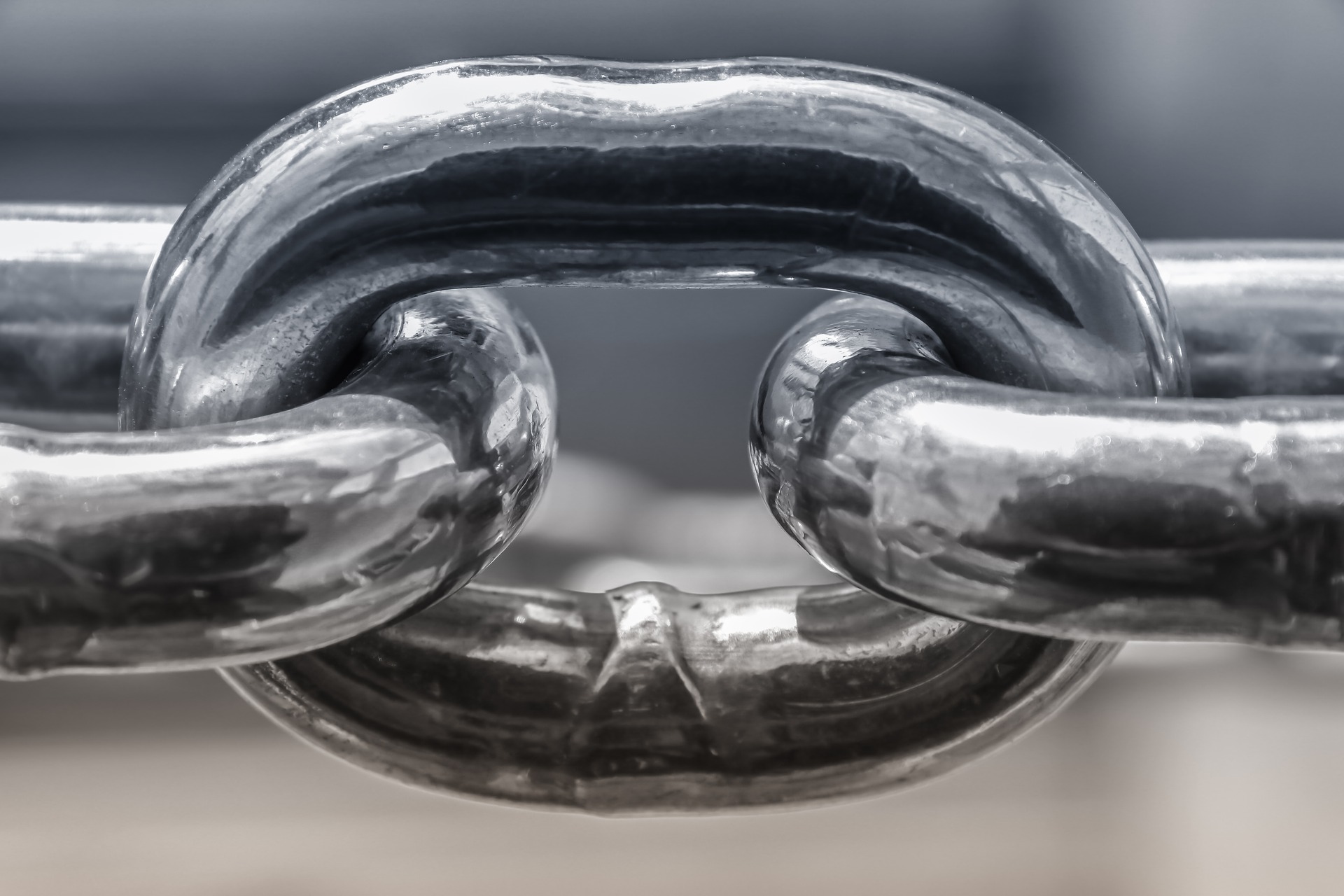
The blockchain is a technology that works like a linked chain you see in a hardware store. Each link loop is connected with two other link loops. Same way, in blockchain, each piece of securable data (node) is linked to data before after and it.
The addresses of connected nodes are encrypted in such a way that changing a node in between would require relinking all nodes appearing after that change.
Who invented blockchain?
It is hard to pinpoint one event to identify as an invention of blockchain. The academia is researching and releasing various papers on digitally signed chain of blocks since early 1990s. The blockchain became mainstream with the research paper and an implementation of digital currency Bitcoin around 2008-2009 by a group of developers known by a pseudonym Satoshi Nakamoto.
What are the types of blockchains?
There are two main types of blockchains based on freedom of participants to join – private and public blockchains.
- Public blockchain – In which anyone with internet can participate
- Private blockchain – which is similar to public except only closed group of users participate
When the concept of private blockchain extends to a group of organisations, it can be called consortium blockchain.
It is considered a hybrid blockchain when amount of data to keep private vs public is tweaked as per implementation need.
What are the blockchain applications?
The biggest and the most successful blockchain use case is the digital currency. There are few of very widely popular implementations like Bitcoin and Ethereum. However a digital ledger, a verifiable chains of blocks, can have many applications. Following is a list to name a few:
- Supply chain – verify origin and authenticity of goods
- Financial services – faster settlements
- Smart contracts – digital contracts execution and enforcement
- Identity – digital ID